Pin-up figures
Pin-up and bishoujo figure commissions
Commission a pin-up or bishoujo figure of an adult character. Prepare pose, outfit, and finish references, and see what the studio takes before you send a project plan.
Pin-up and bishoujo figures put the character silhouette and surface finish first: an expressive pose, clean anatomy, and layered paintwork that makes skin warmth, sheer hosiery, gloss leather, and matte cloth read distinctly on the shelf. This guide covers how to prepare a project plan for an adult-character pin-up project, which starting points work best, and where the studio draws its lines.
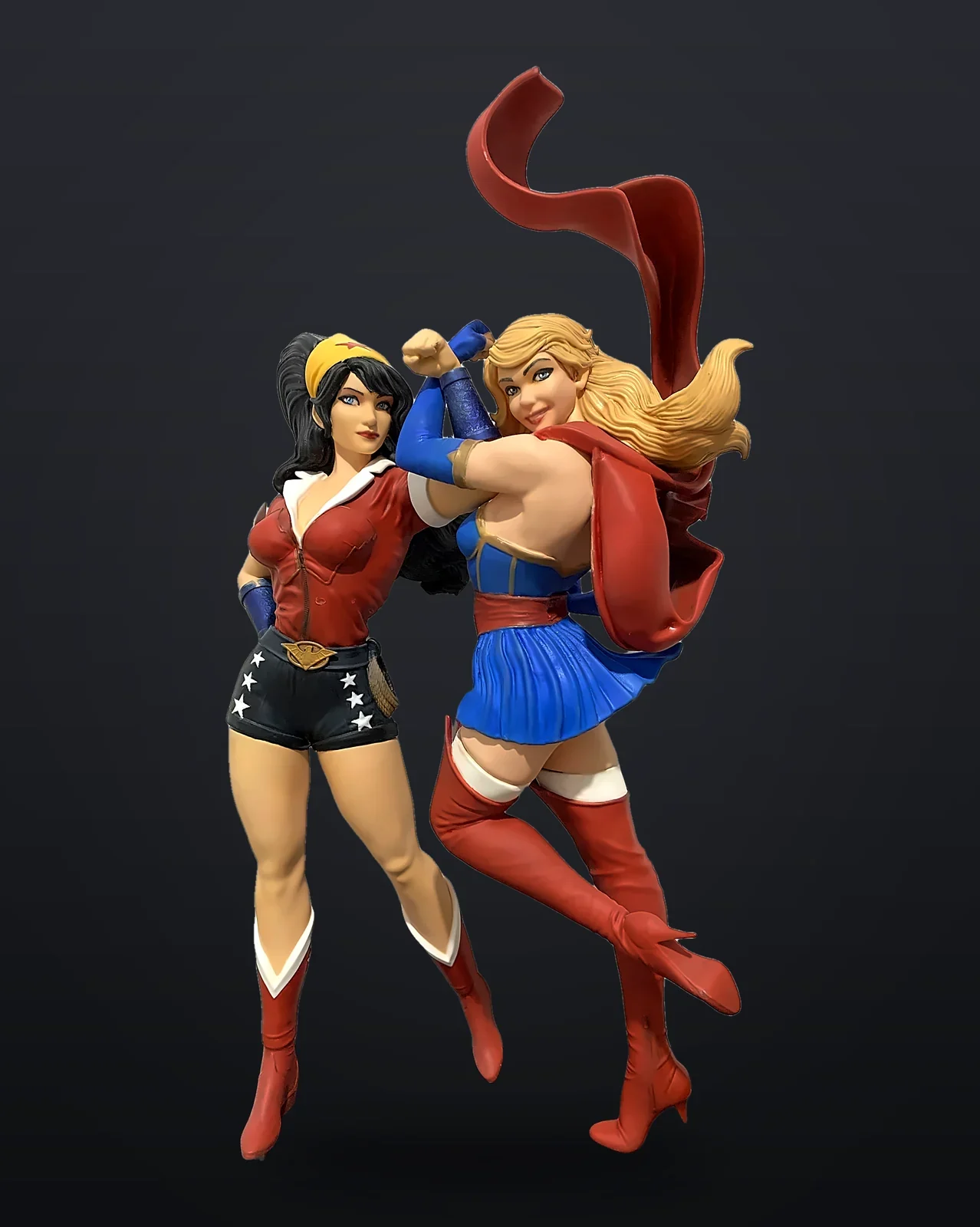
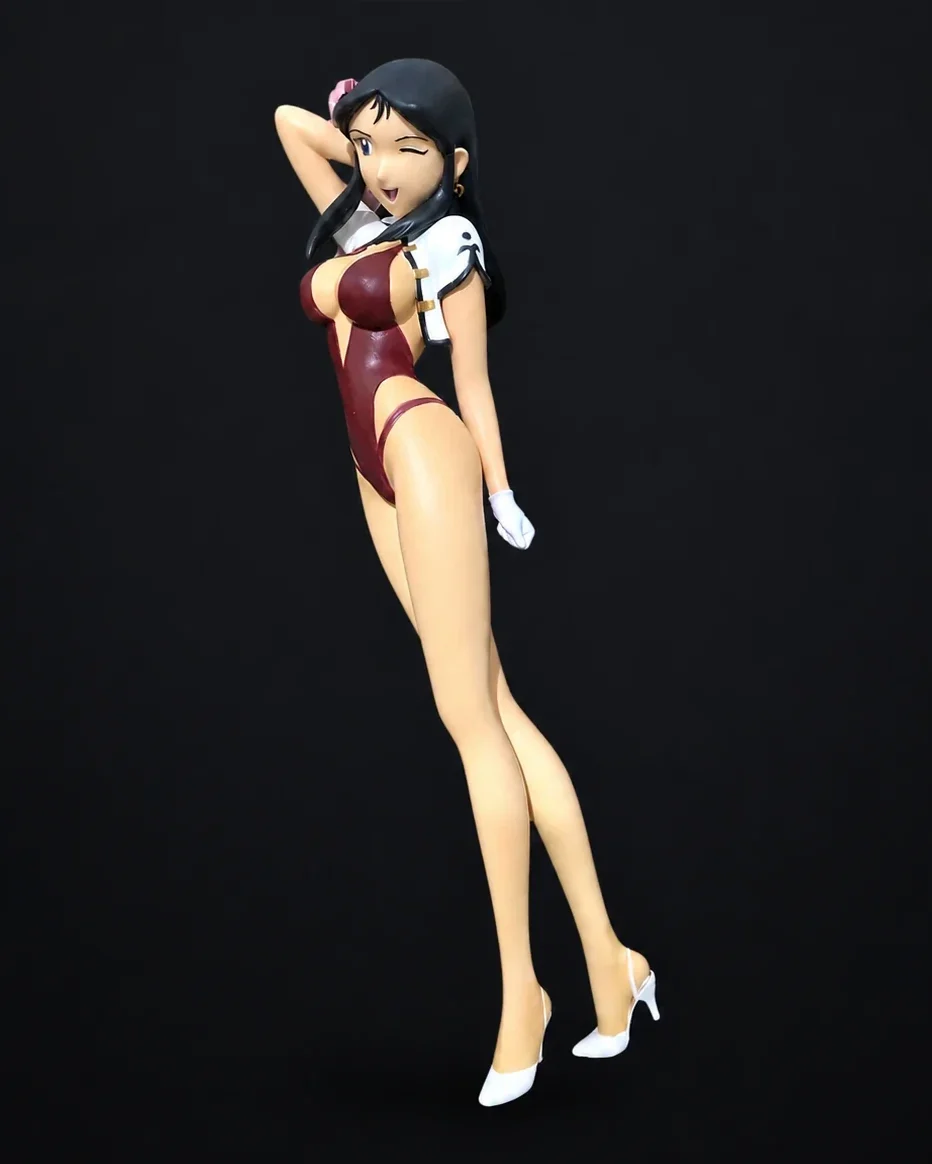
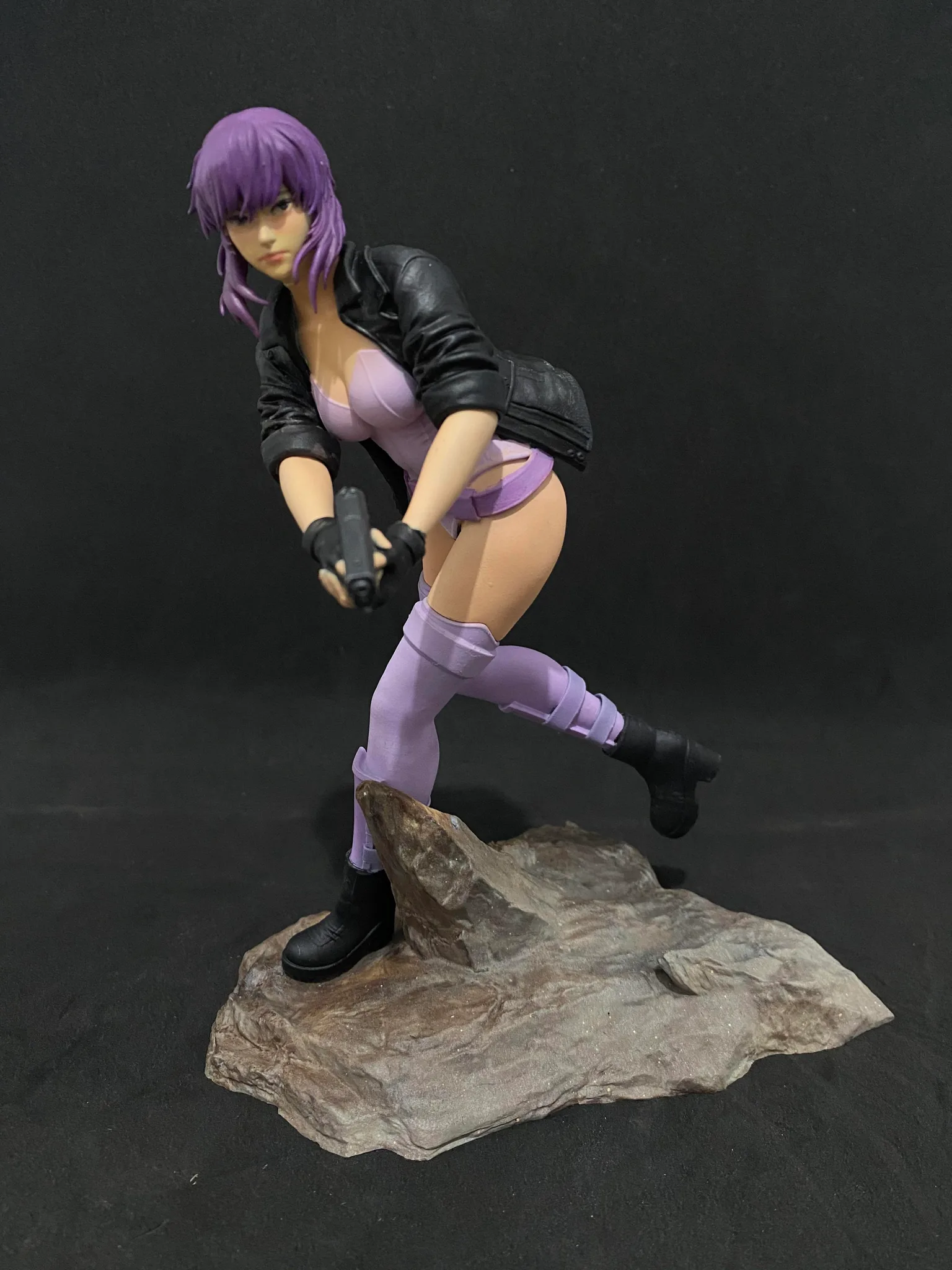
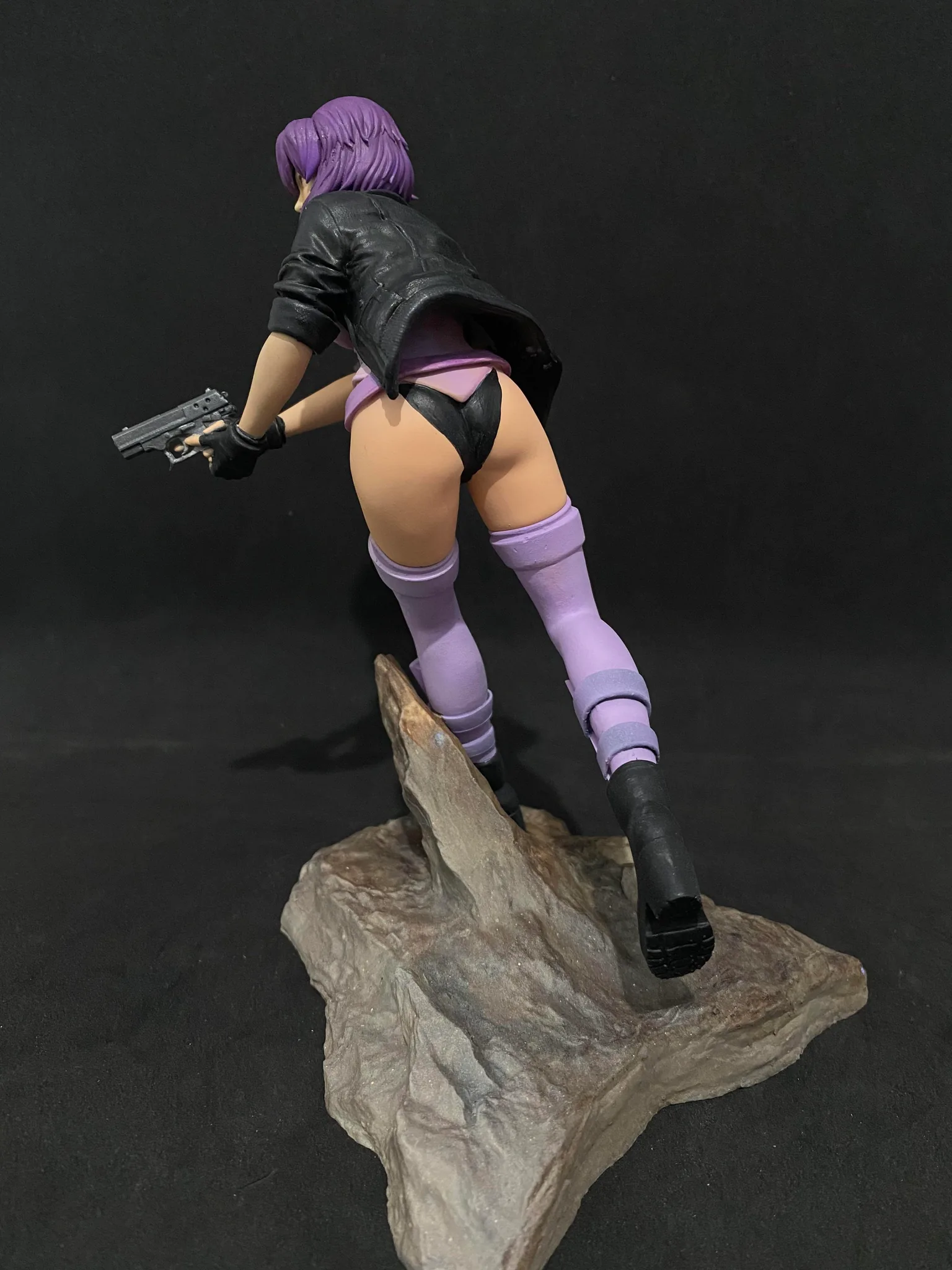
Bishoujo, pin-up, and waifu figures: what the terms mean
What is the difference between a bishoujo figure and a pin-up statue? Bishoujo is a Japanese collecting term for stylized anime and game heroine figures that emphasize facial appeal, hair flow, and costume texture, most commonly at 1/7 or 1/6 scale. Pin-up refers to a posed, poster-inspired presentation emphasizing posture, curves, and glamour—popular across both comic statues and adult anime collectibles. Waifu figure is casual fan shorthand for a display piece of a favorite character. None of these labels fixes a single scale or material, so your plan should specify the starting asset and finished dimensions directly.
Ways to start a pin-up or bishoujo project
| Starting point | How the build works | What to include in your plan |
|---|---|---|
Supplied 3D character model (STL / OBJ) | You provide a digital sculpt from an artist or patreon release; the studio checks part splits, prints in resin, and hand-paints the piece | Creator credit, un-supported STL part views, target scale (typically 1/7 or 1/6), and skin/fabric sheen notes (see model checklist) |
| Unpainted resin garage kit | You supply an unbuilt physical resin cast; the studio cleans tabs, pins joints, and paints the skin, eyes, and outfit | Laid-out part photos, eye decal check, and labeled finish references (see garage kit guide) |
| Existing figure repaint | You send an existing PVC or resin figure to upgrade flat factory plastic with shaded skin tones, blush, or a new outfit palette | Clear condition photos, material if known, and areas to keep untouched (see repaint guide) |
| Character sheet / custom pose | Assessed for custom sculpting + print and paint scope | Turnaround art, priority pose reference, and whether the outfit is fixed or cast-off |
What the studio takes, and what it does not
- Adult characters only. The character must be an adult in the source material and visually designed as an adult.
- No minor-coded requests. The studio does not accept characters who are minors, look like minors, or are presented as students, and does not take school-uniform requests.
- Public gallery stays non-explicit. Portfolio photographs published on this website remain suggestive at most. Private commissions can opt out of public gallery posting entirely in the written plan.
Choosing a scale for bishoujo and pin-up figures
Most collector bishoujo and pin-up figures are commissioned at 1/7 scale (roughly 23–26 cm standing height) or 1/6 scale (roughly 27–30 cm standing height). At 1/6 and 1/7 scale, facial eyelashes, lip gloss, fingernail tinting, and sheer stocking transitions have enough surface area to read smoothly without requiring a massive cabinet footprint. Kneeling, lounging, or seated pin-up poses often work particularly well at 1/6 scale because the lower vertical height fits standard glass shelves while preserving larger facial and anatomical detail. Check your exact shelf height, width, and depth in the figure scale chart and display-fit planner.
What to put in the plan
- Character and source. Name the series or original character and link reference art that establishes the character as an adult.
- Pose and viewing angle. Two or three images, with the primary pose reference listed first. Note what you want preserved: spine arch, head tilt, hand placement, or gaze direction.
- Outfit and material sheen. Canon outfit, evening wear, swimsuit, bodysuit, or alternate costume—with clear notes on which surfaces should read as matte cloth, sheer nylon, satin silk, or high-gloss latex. The skin and fabric painting guide covers how sheen contrast works.
- Skin tone and blush level. Specify pale, warm, sun-kissed, or fantasy skin tones, plus where you want subtle blush (cheeks, shoulders, knees, fingertips) or markings such as beauty marks and tattoos.
- Size and base style. State the complete height, width, and depth your shelf allows, and whether you want a clean black/acrylic plinth, a fabric/cushion surface, or a simple textured base.
- Privacy and delivery. If you want unmarked outer boxes, neutral shipping labels, or zero public portfolio photos, review discreet figure packaging and include that note in your request.
Removable parts and cast-off designs
Some collectors request removable or swappable outfit pieces (such as a removable jacket, skirt, or armor plates). Because cast-off parts require finished anatomy underneath, hidden seam lines, and magnet or peg tolerances that minimize paint rub, they are engineered and quoted separately from a fixed-outfit figure. Read cast-off figures explained before adding removable pieces to your plan.
Send a pin-up figure plan
Include the character source, pose and outfit references, skin and fabric finish notes, and display dimensions. The studio reviews the scope and replies privately by email.
Build a figure project plan